


Life jackets are one of those bits of kit everyone knows they should take seriously. But in practice? They’re often misunderstood, poorly fitted, or only worn when the weather turns nasty.
Whether you’re buying kids life jackets, upgrading adult life jackets, or trying to work out whether a buoyancy aid is enough for your style of boating, this guide breaks it all down in plain English.
No scare tactics. No fluff. Just what actually matters when you’re on the water.
What Is a Life Jacket (and How Is It Different From a Buoyancy Aid)?
The terms life jacket, lifejacket, life vest, and buoyancy aid are often used interchangeably, but they don’t all mean the same thing.
Life jackets

Ocean Safety XF 170N – Automatic Lifejacket with Harness
A life jacket (also called a life preserver or life vest) is designed to:
-
Keep you afloat even if you are unconscious
-
Turn you face-up in the water
-
Provide enough buoyancy to support your airway
These are what most people mean when they talk about adult life jackets, kids life jackets, or baby life jackets.
Buoyancy aids

Helly Hansen Buoyancy Aid / Rider Vest
A buoyancy aid provides flotation but:
-
Assumes the wearer can swim
-
Does not guarantee turning you face-up
-
Is usually lower buoyancy
They’re popular for kayaking, paddleboarding, and dinghy sailing, but they’re not a substitute for a proper lifejacket in all conditions.
Sign up to the Morgan Marine mailing list for exclusive news, offers & discounts.
Do Lifejackets Actually Work?
Yes. When worn correctly, lifejackets work extremely well.
According to RNLI data, wearing a lifejacket dramatically increases survival rates in accidental immersion, particularly in cold water where cold shock and muscle cramp can set in within seconds.
The catch? They only work if:
-
They’re the right type
-
They fit properly
-
They’re well maintained
-
You actually wear them
A lifejacket stowed under a seat doesn’t help anyone.
Download the RNLI guide to lifejackets PDF
What Does 150N Mean on a Lifejacket?
You’ll often see ratings like 100N, 150N, or 275N on lifejackets. The “N” stands for Newtons, a measure of buoyancy.
Common ratings explained
-
100N – Calm waters, light clothing, generally inland use
-
150N – Most common choice for coastal and offshore boating
-
275N – Heavy clothing, tools, or extreme offshore conditions
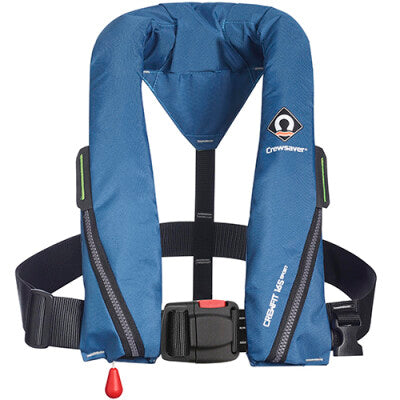
Around 150N, such as the Crewsaver Crewfit 165N Life Jacket is ideal for most adult boaters.
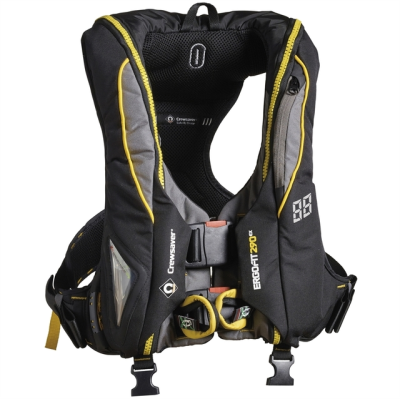
For more extreme conditions, look no further than the Crewsaver ErgoFit 290N Extreme Automatic Lifejacket.
Choosing the Right Life Jacket for Adults
When it comes to life jackets adults trust, comfort matters just as much as safety. If it’s uncomfortable, people won’t wear it.
Adult life jackets to consider
-
Automatic inflatable lifejackets – Inflate on water immersion
-
Manual inflatable lifejackets – Inflate when you pull a cord
-
Foam lifejackets – Always buoyant, no inflation needed
Inflatable adult life preservers are popular for cruising and fishing because they’re lighter and less bulky, while foam flotation vests suit watersports and dinghy sailing.
Life Jackets for Kids: What Parents Need to Know
Life jackets for kids are not just scaled-down adult versions.
A proper children’s life vest should:
-
Support the child’s head
-
Keep their airway clear
-
Have a crotch strap to prevent ride-up
-
Include a grab handle for quick recovery
For younger children and non-swimmers, always choose a foam life jacket, not an inflatable.
Baby Life Jackets: Are They Different?
Yes – and they’re essential.
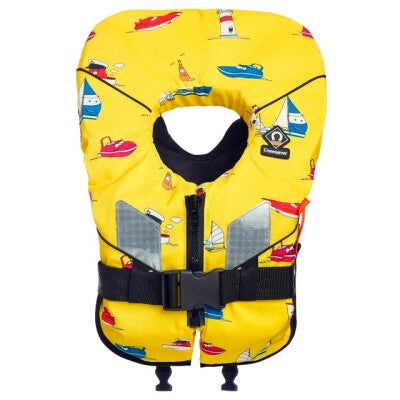
A baby life jacket (usually for under-15kg) is specifically designed to:
-
Turn the baby face-up quickly
-
Support the head and neck
-
Stay securely in place even in choppy water
Fit is critical here. Always follow the manufacturer’s weight guidance and adjust the straps carefully.
Do You Have to Wear Lifejackets on a Boat in the UK?
This is a common question, and the answer surprises people.
There is no blanket legal requirement in the UK that says you must wear a lifejacket on a private boat. However:
-
Commercial vessels often have strict rules
-
Hire companies may require them
-
The skipper has a duty of care
The RNLI strongly advises wearing a lifejacket whenever you’re on deck, in a tender, or in cold water conditions.
Common sense goes a long way here.
Do You Need a Lifejacket in a Kayak?
Another frequent search – and again, context matters.
For kayaking:
-
A buoyancy aid is often acceptable on calm inland waters
-
A lifejacket is recommended for coastal kayaking or colder conditions
Cold water shock doesn’t care how strong a swimmer you are. It's always worth familiarising yourself with the British Canoeing Safety Resources.
Do Lifejackets Expire? And When Should They Be Replaced?
Yes, lifejackets do not last forever.
How long do lifejackets last?
-
Foam lifejackets: typically 10 years if well cared for
-
Inflatable lifejackets: 5–10 years depending on use and servicing
Replace a lifejacket if:
-
The fabric is damaged or UV-degraded
-
The inflation mechanism fails inspection
-
The bladder leaks air
-
It no longer fits the intended wearer
Manufacturers recommend annual servicing for inflatable lifejackets.
Are Crewsaver Lifejackets Worth It?
A Crewsaver lifejacket is widely regarded as one of the most reliable options on the market.
-
Robust build quality
-
Comfortable designs
-
Clear buoyancy ratings
-
Strong UK marine heritage
They’re a solid choice for anyone boating regularly, especially offshore.
Final Thoughts: The Best Lifejacket Is the One You’ll Actually Wear
The perfect lifejacket isn’t the most expensive one on the shelf.
It’s the one that fits properly, suits your boating, and stays on your body when it matters.
If you’re unsure, ask. A good chandlery will help you get it right.
Life Jackets & Buoyancy Aids at Morgan Marine Chandlery
Quick FAQ
Do lifejackets work?
Yes, when worn correctly and properly maintained.
What does 150N mean on a lifejacket?
It refers to buoyancy in Newtons; 150N is suitable for most coastal boating.
Do lifejackets expire?
Yes. Foam and inflatable lifejackets both have a limited lifespan.
Do you have to wear lifejackets on a boat in the UK?
Not legally in all cases, but it’s strongly recommended.


